Flamenco Dance Classes in Nottingham
Flamenco Nottingham
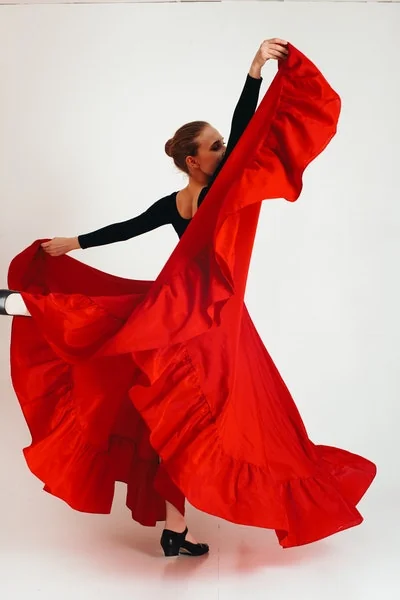 Flamenco — Nottingham
Class is coming soon
Send us your details for class news
Class Details
Location: Nottingham City Centre
Day: TBC
Time: TBC
Age Group: 17 – 75
Teacher: —
Class Structure
Beginners Class — 60 Minutes
Posture & Warm-Up
Drawing the chest open, freeing the wrists and pressing the feet into the floor, finding the upright, dignified hold that underpins everything else in flamenco.
Footwork (Taconeo)
Heel drops, toe accents and ball-of-foot beats rehearsed at a walking pace, then pushed faster and faster until your feet become a drum that answers back to the guitarist.
Arms & Hands (Braceo)
Wide, unfurling arms and circling wrists — the floreo work — laid over a slowly revolving upper body to build the silhouette flamenco is known for.
Palmas & Choreography
Striking palmas in unison to lock the pulse, then linking your foot rhythms, arm carriage and a single turn into a compact dance set to whichever palo we are exploring that week.
Full Run & Cool Down
Performing the full sequence at full tilt, all heat and duende, before bringing the calves, wrists and shoulders back down with a measured stretch.
About Flamenco Dance Classes in Nottingham
Flamenco is the fierce pulse of southern Spain made visible — a proud bearing, hammering footwork and arms that trace shapes overhead. Our weekly flamenco classes in Nottingham unpack the art piece by piece: the percussive taconeo of the feet, the sweeping braceo and floreo of the arms and hands, the palmas that keep time and the compás that binds the whole thing. Along the way you will meet the great palos, from the heaviness of soleá to the sunshine of alegrías, working steadily toward a short routine that ends up belonging to you.
Nottingham has a real appetite for Spanish culture — through its festivals, the busy student arts scene across the University of Nottingham and NTU, and the touring flamenco tablaos that pass through the East Midlands — yet a dependable weekly class for adult beginners and improvers has been missing. We hold ours at a studio in Nottingham city centre, a short stroll from Old Market Square and the Lace Market, with a hard floor made for taconeo and within reach of dancers in Beeston, West Bridgford, Long Eaton and as far as Derby and Mansfield. With the NET tram and the train station close at hand and more venues planned, a session nearer home may not be far off.
No background is needed whatsoever — bring only an eagerness to stamp, clap along and give yourself over to the music. Pop on a firm-heeled shoe at first (a character shoe or any hard-soled pair will do the trick) and something loose enough to move in. Browse the whole spread of 20 dance classes in Nottingham, or round up your friends for a spirited flamenco hen party.
Enquire About Flamenco Classes
Send us your details and we will let you know the days, times and full schedule as soon as they land.
What Flamenco Gives You
Feet That Speak
With taconeo your feet turn into an instrument you can actually hear, building timing, coordination and a sense of the beat that follows you into any other dance you go on to learn.
Let the Fire Out
Flamenco gives genuine emotion an outlet — defiance, yearning, outright joy. Dancing with duende lets something escape, a release that matters every bit as much as the show itself.
Stand Tall
That dignified, upright hold sitting at the heart of flamenco gradually changes the way you carry yourself, lending extra poise to how you stand and walk well beyond class.
Strong From the Ground Up
Driving footwork builds real strength through the calves and ankles, while the lifted, arcing arms challenge the shoulders and back — a top-to-toe workout disguised as Spanish passion.
Your Flamenco Dance Journey
From your opening golpe to dancing a whole routine ablaze with feeling — here is how the progression looks.
Finding Your Stance
Getting Started
Settling into the proud, lifted posture, striking your debut golpe, working through heel and toe contacts and sketching the first positions of the arms and hands. The early trick is to feel both planted in the floor and stretched upward at the same time.
What to Wear
At first, a shoe with a good, hard heel is all you need — think character shoes, Cuban heels or anything firm-soled. A flowing skirt is the classic look yet never compulsory, and a close-fitting top makes your arm shapes easy to see.
Catching the Compás
Developing Technique
Extending the footwork into fuller phrases, adding braceo with its turning floreo and trying out your opening vueltas. Here is where the compás starts to click — the repeating cycle of beats that hands each palo its distinct framework.
Palmas & Rhythm
Clapping palmas right on the beat, punching out the accents with your feet and starting to feel why a twelve-beat palo moves so differently from a four-beat one as the count beds in.
Dancing With Duende
Choreographic Pieces
Joining feet, arms and turns into one continuous piece — the llamada opening, the climb and the finish — then learning to wash it through with the raw intensity flamenco is built on.
Cultural Context
Coming to know the palos by feel — soleá and its heavy, solemn tread, alegrías and their bright bounce, tangos and their easy swagger — and the particular demands each places on a dancer.
The Confident Bailaora
Performance & Artistry
Performing to live-style guitar and cante with enough assurance to respond to the music on the spot, pouring your own feeling into a routine instead of merely counting the steps.
What Comes Next
Pick up castanet and abanico fan technique, head out to catch a live tablao, or step into tango or salsa for a different perspective on rhythm and holding a partner.
Flamenco Dance FAQ
The things people most often check with us before a first flamenco class.
Can a complete novice take up flamenco from scratch? +
Yes, with no trouble at all. The beginners session opens on the proud, lifted stance, a single clean heel stamp and one turn of the hands, and we grow everything outward from there. Nearly every newcomer to our Nottingham class is brand new to the dance, so you will be learning shoulder to shoulder with people standing at exactly your level.
Which shoes work best for a flamenco lesson? +
Reach for footwear with a good, hard heel so the floor registers every strike — character shoes, Cuban heels or any firm-soled pair will all serve you well. Proper flamenco shoes with nails set into the heel and toe are lovely, but you certainly do not need them on your first night. Hold off on trainers and soft ballet pumps for now, as they will not give you the sound.
What happens during a typical flamenco session? +
Each hour runs from posture and warm-up into the percussive footwork called taconeo, then the sweeping arm and hand work of braceo and floreo, palmas claps to keep the timing locked, and finally a brief routine set to one traditional palo. You head off having both sharpened your technique and danced a whole piece end to end.
Does a block of flamenco classes save me money? +
One drop-in costs £10, with no sign-up fee and no paperwork to bother with. Happier to commit? A four-week run comes to £32, bringing every class down to £8. Nothing locks you in — no contract and no membership — so you simply turn up whenever the schedule fits around your week.
Where in Nottingham do the flamenco classes run? +
Our weekly regulars gather at a studio we hire in Nottingham city centre, a short walk from Old Market Square and the Left Lion and close to the Lace Market and Hockley. With the NET tram and the train station nearby, it is a quick trip in from Beeston, West Bridgford and further out, and the hard floor suits footwork down to the ground. We are looking at adding more venues around the city before long, so feel free to ask whether something closer to you is in the works.
Must I be Spanish or speak the language to dance flamenco? +
Not in the least. Flamenco is studied and loved on every continent, and the Spanish words stick of their own accord as the weeks roll on. All that is really asked of you is curiosity and respect for the art — the passion and duende rise out of the music and the steps themselves.
Will flamenco actually give me a workout? +
It will, and in the most enjoyable way. All that stamping wakes up the calves, ankles and core, and holding the arms high through floreo really tests the shoulders and back as well. You finish warm, worked and honestly surprised at the sweat a single hour of compás can draw out of you.
Do castanets, fans and shawls come into it? +
Not during the opening weeks — feet, arms, hands and timing all have to be solid before anything else joins in. As soon as your taconeo and braceo hold up, extras such as castanets, the abanico fan and the mantón shawl begin appearing in the routines bit by bit.
What sort of music will we dance to? +
Warm flamenco guitar, cante vocals and driving percussion carry the whole room. As the weeks pass you start to separate the palos out — the weight of soleá, the lift of alegrías, the snap of bulerías and the swing of tangos — each one with a compás, feel and pace of its own.
Are private flamenco lessons available in Nottingham? +
Absolutely — we can lay on private tuition, either one-to-one or in a small group, whenever you ask. It is great for prepping a performance, putting an event routine together or smoothing out a tricky escobilla. Drop us a line and we will build the sessions around the goals you have in mind.
Ready to Feel the Pull of Flamenco in Nottingham?
Register your interest and we will send the latest flamenco timetable the moment the dates are set.
Get More Info →